
Deforestation is an 87-second horror film by Green Earth Group, released in 2025. It opens like a classic horror film, then tells the audience that what follows is scarier because it is real: the cutting of the world’s forests and what it does to weather, air, water, soil, wildlife and people. Then it turns the story around.
Key points
- Deforestation, 1:27, 2025, made by Green Earth Group.
- Watch it at deforestation.com/film/.
- Eleven stills below; high-resolution stills and the poster on request.
- Press enquiries by WhatsApp.
Synopsis
Short synopsis
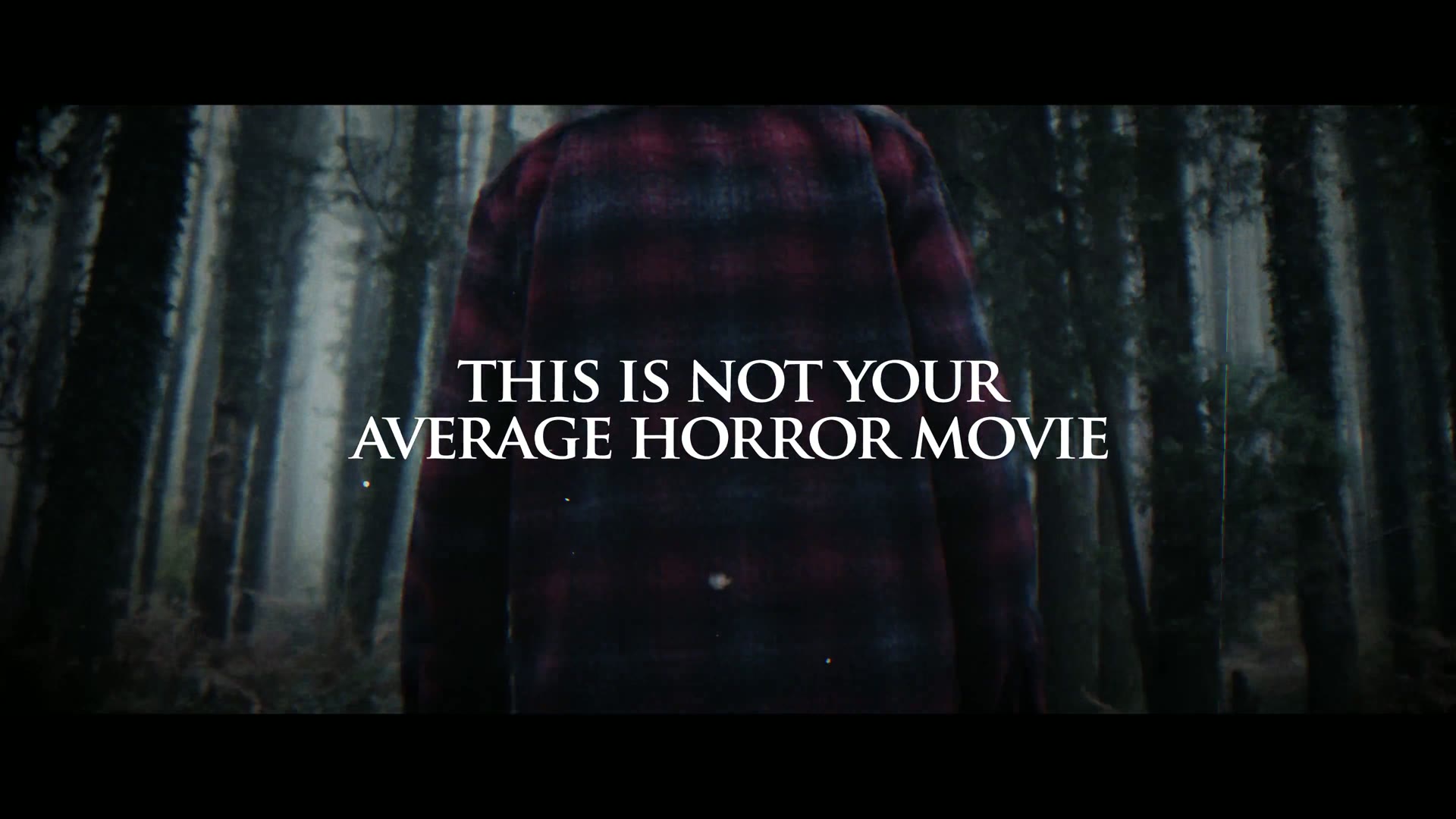
An axe strikes a trunk. A man in a plaid shirt walks into a misty forest. Deforestation opens like a classic horror film, then warns that what follows is scarier, because it is real. In 87 seconds it shows what the world loses when forests fall, and how the story can still turn.
Long synopsis
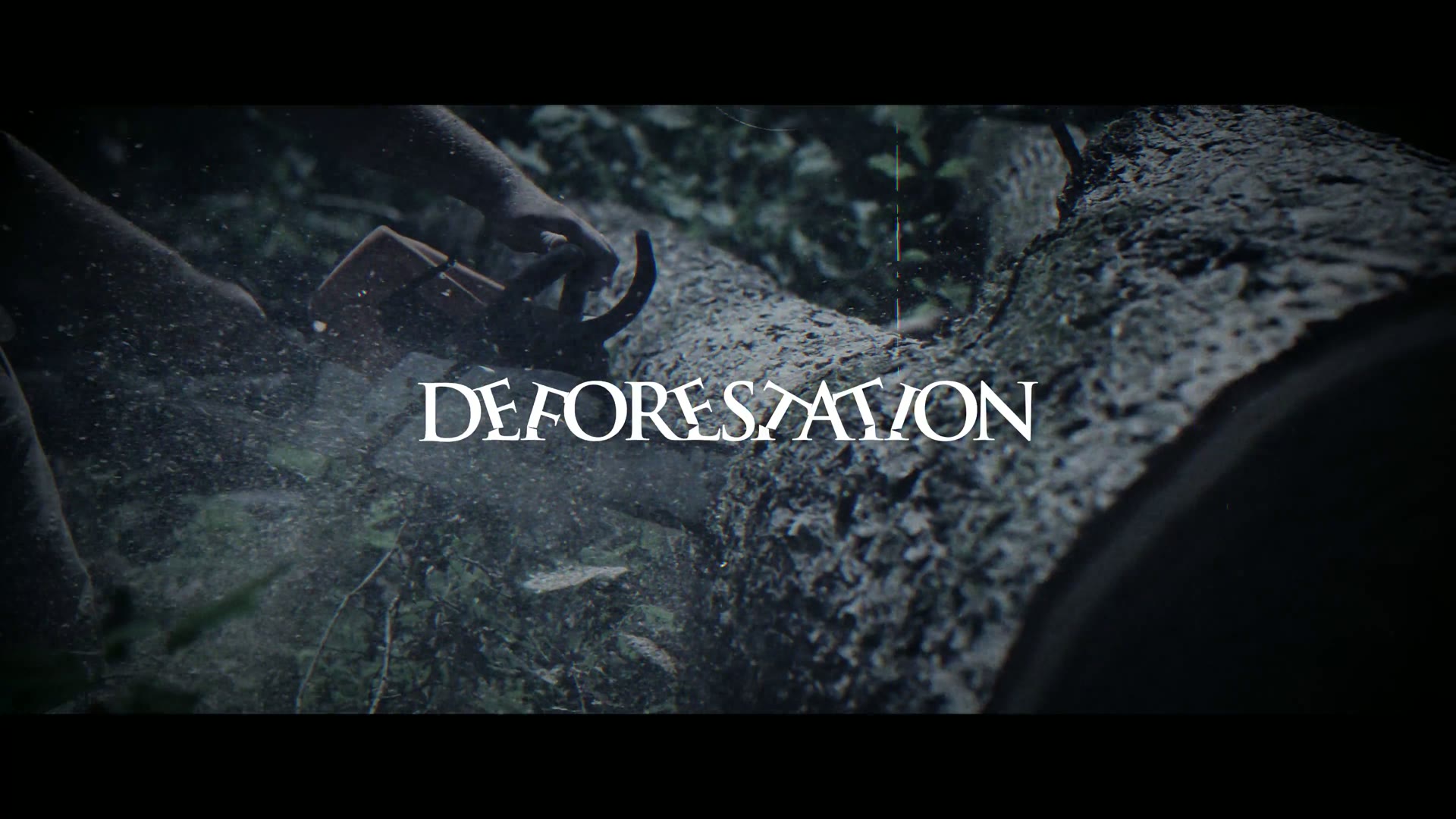
Deforestation begins like a classic horror film. An axe strikes a trunk and a man in a plaid shirt walks into a misty forest. The titles warn: “This is not your average horror movie.” “It’s scarier.” “It’s real.” Then the title appears: Deforestation.
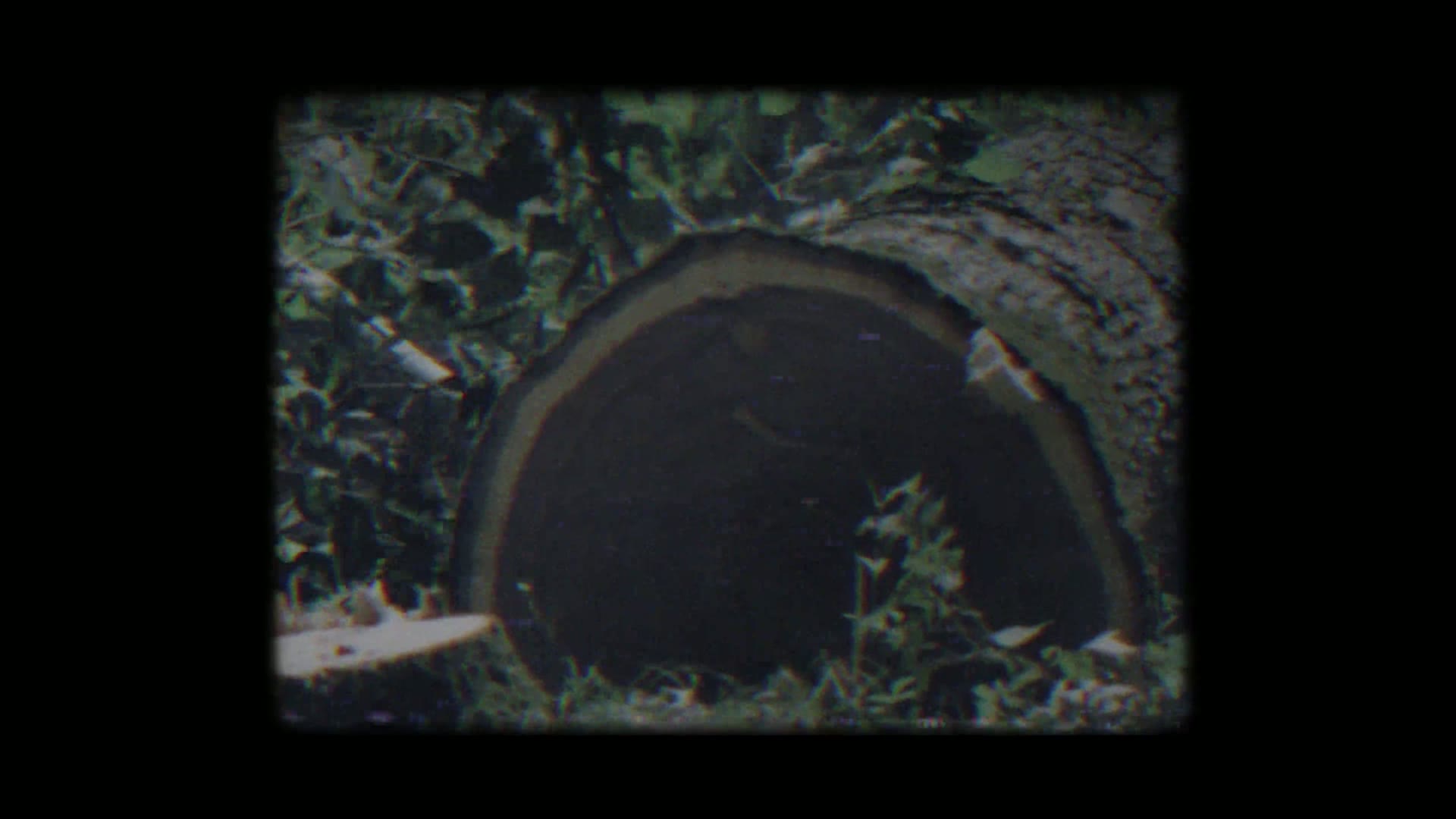
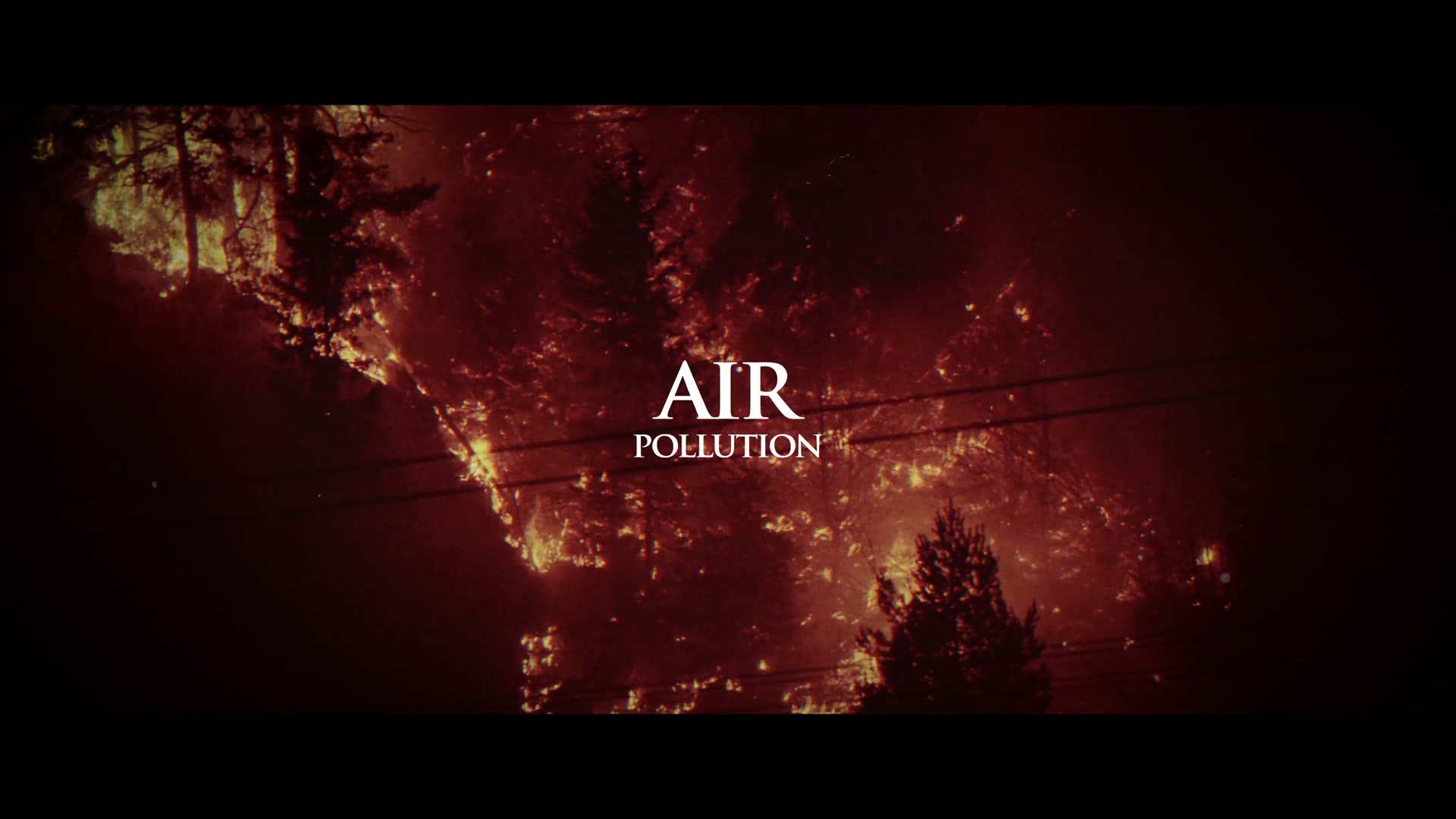
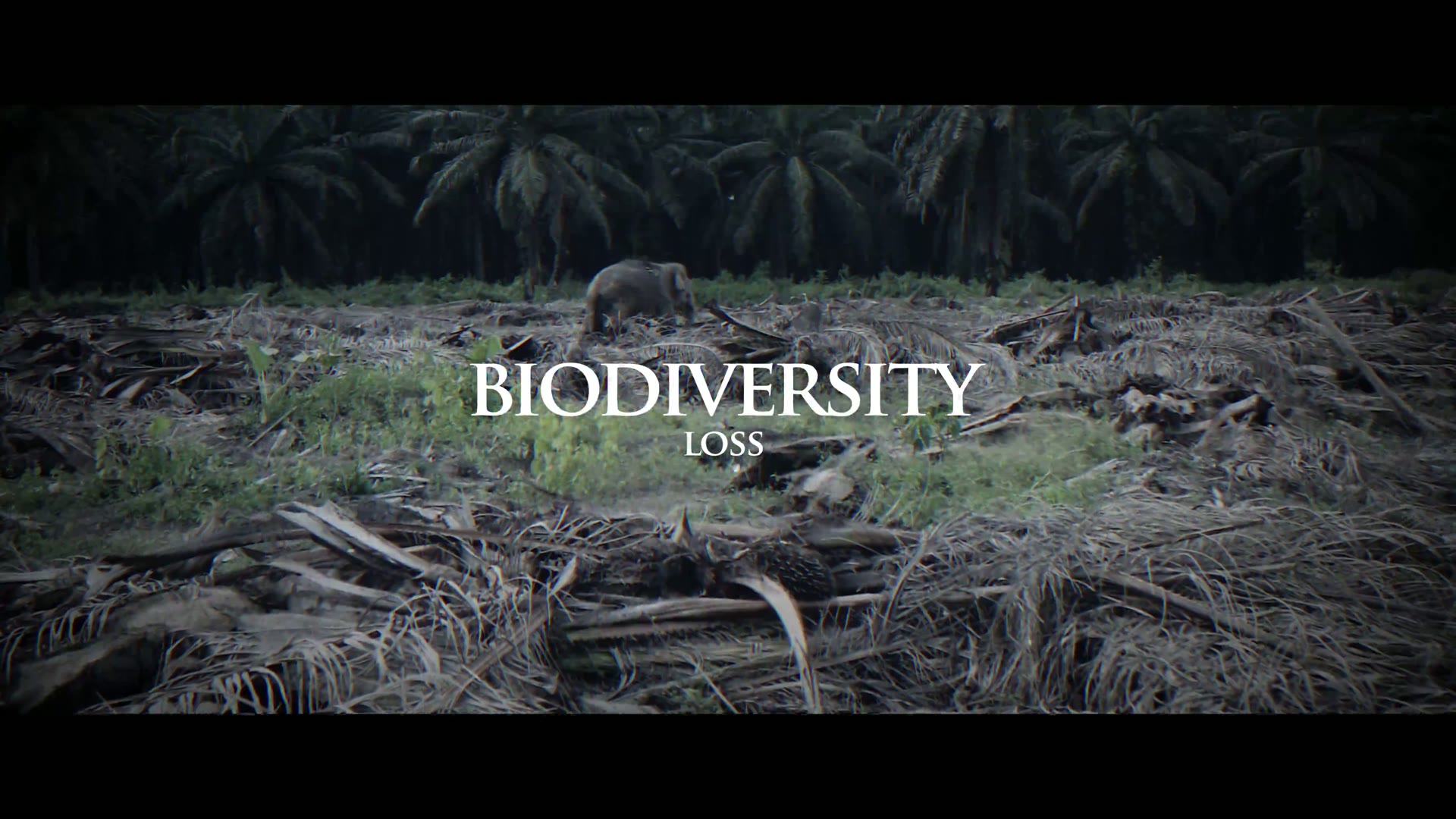
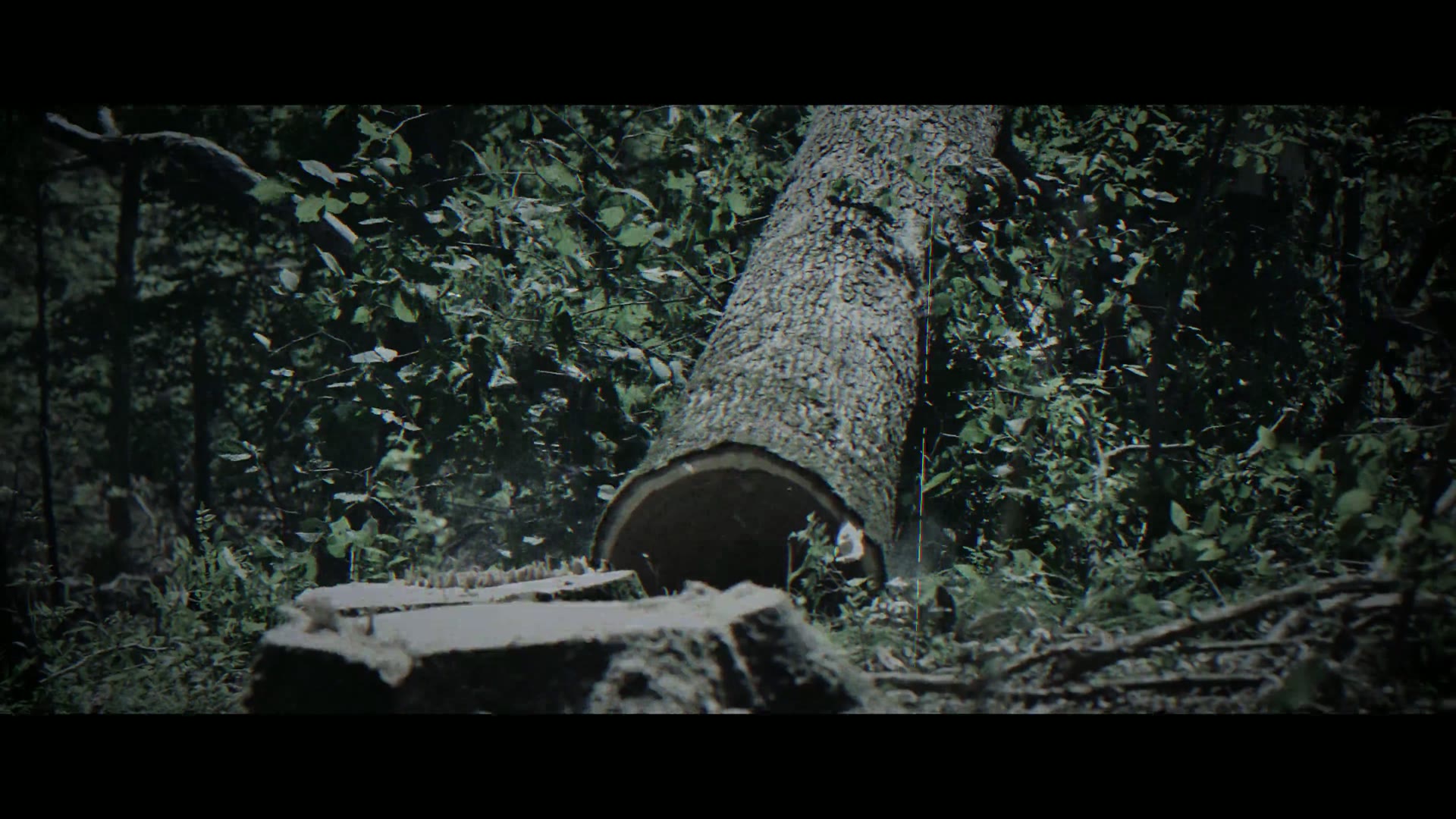
Grainy 8mm-style footage shows a forestry mulcher, felled trunks and logging tracks, with the line “42 million trees are cut down every day.” The film then names the consequences one card at a time: extreme weather conditions, air pollution over a forest fire, floodings, desertification, soil erosion, biodiversity loss, shown by an elephant on cleared land, and even human impacts.
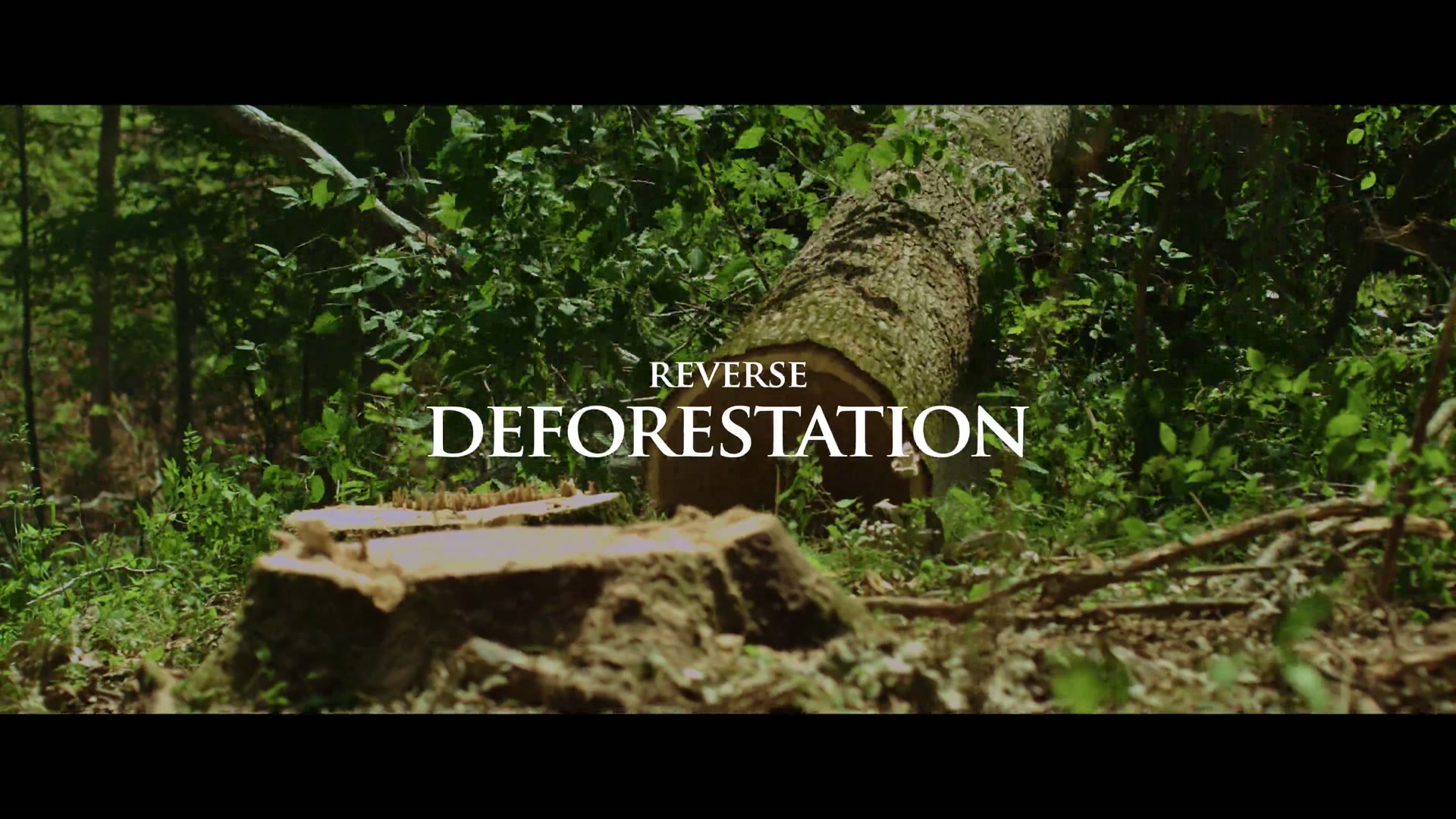
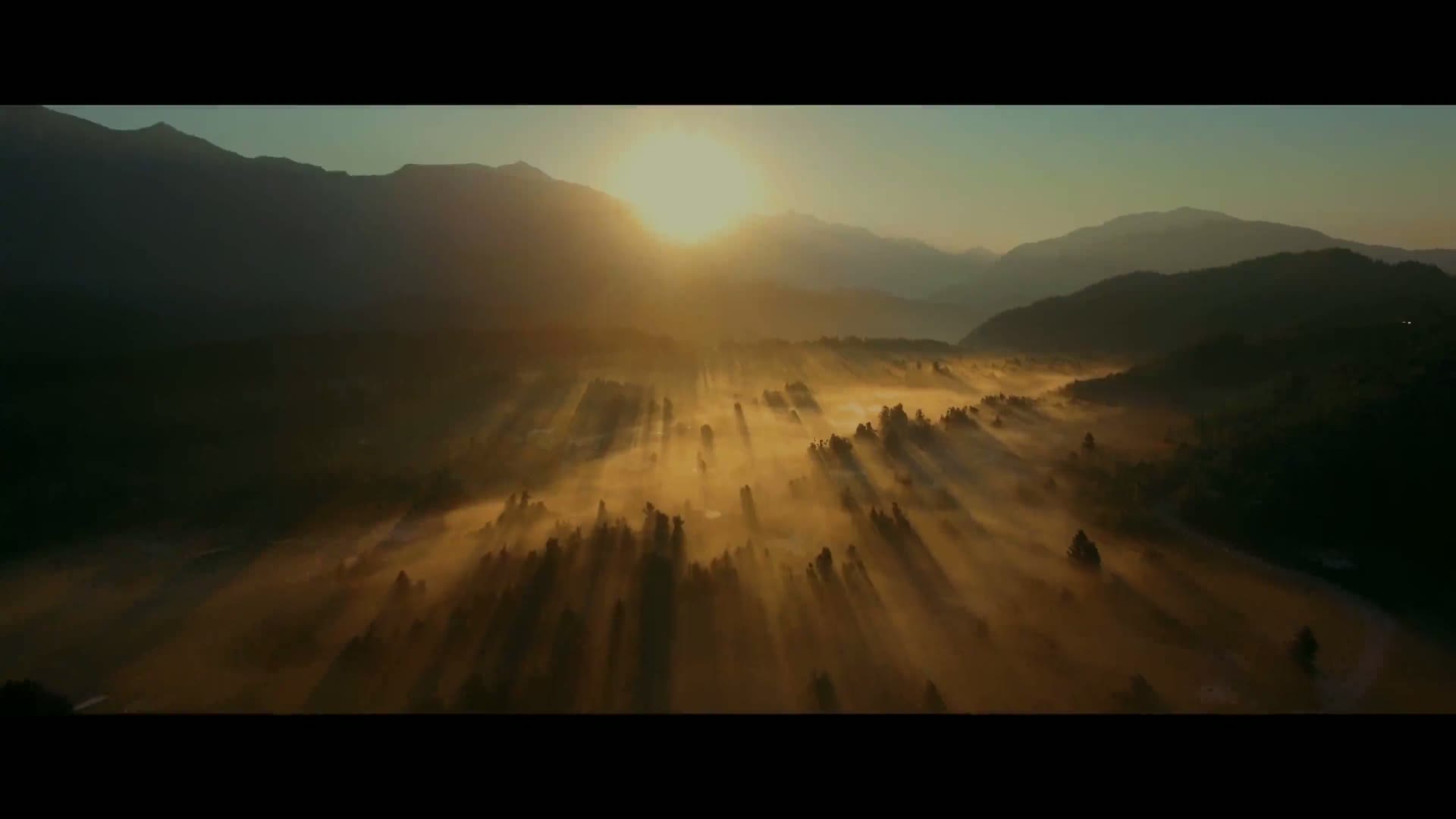
Then the story turns. “Reverse deforestation” appears over a felled trunk as the forest greens around it. A sunrise over valleys. “Nature holds real value.” Tree nurseries and planting follow, then “Reforest the world” over aerial forest, clouds and the Earth from space. The final card: “Find out more at deforestation.com.”
Key facts
| Item | Detail |
|---|---|
| Title | Deforestation |
| Runtime | 1:27 (87 seconds) |
| Year | 2025 |
| Made by | Green Earth Group |
| Format | 16:9, 4K master |
| On-screen text | English |
| Where to watch | https://deforestation.com/film/ |
Film stills
Eleven stills in story order. Select a thumbnail to open the full-size image.
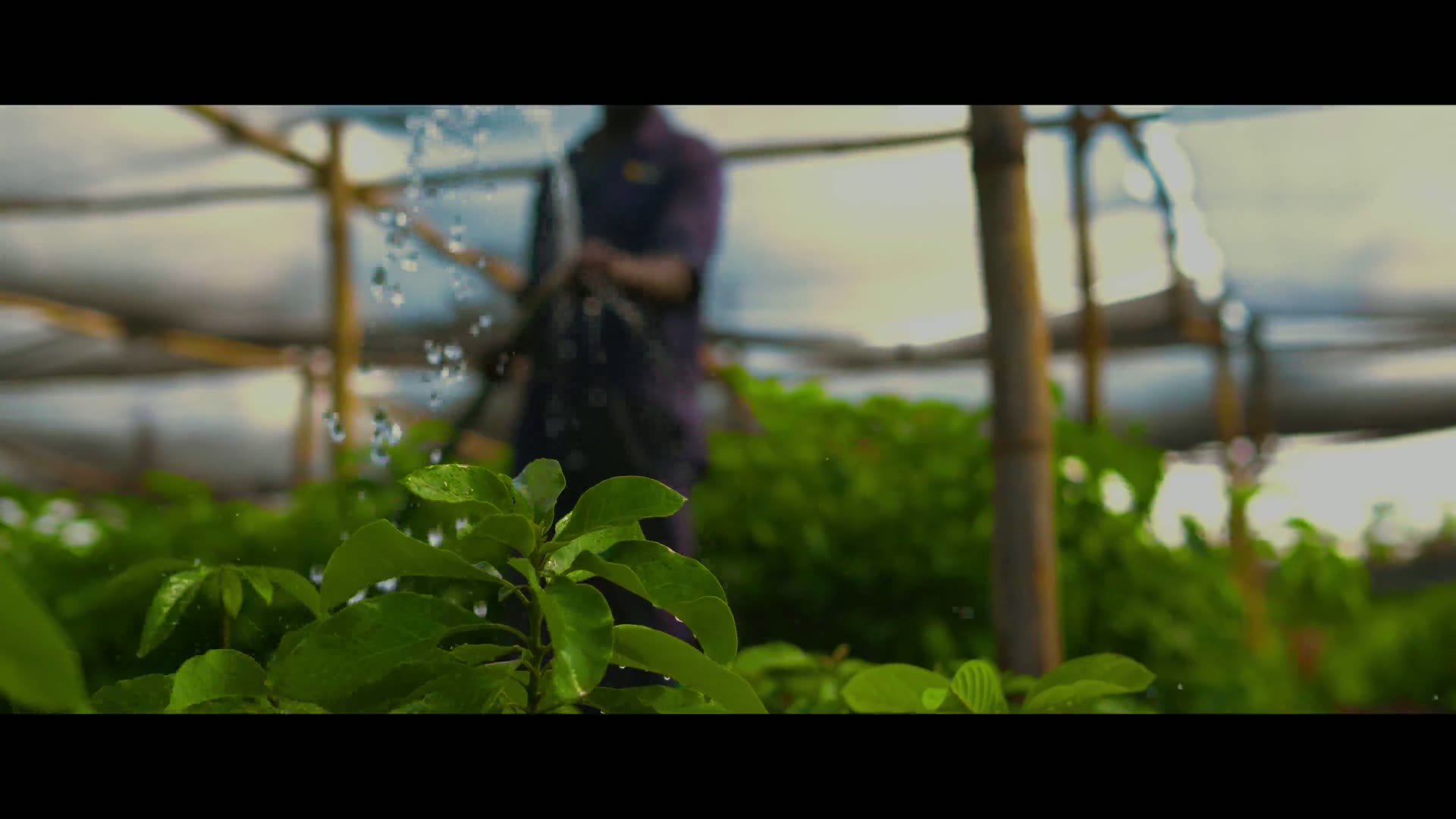
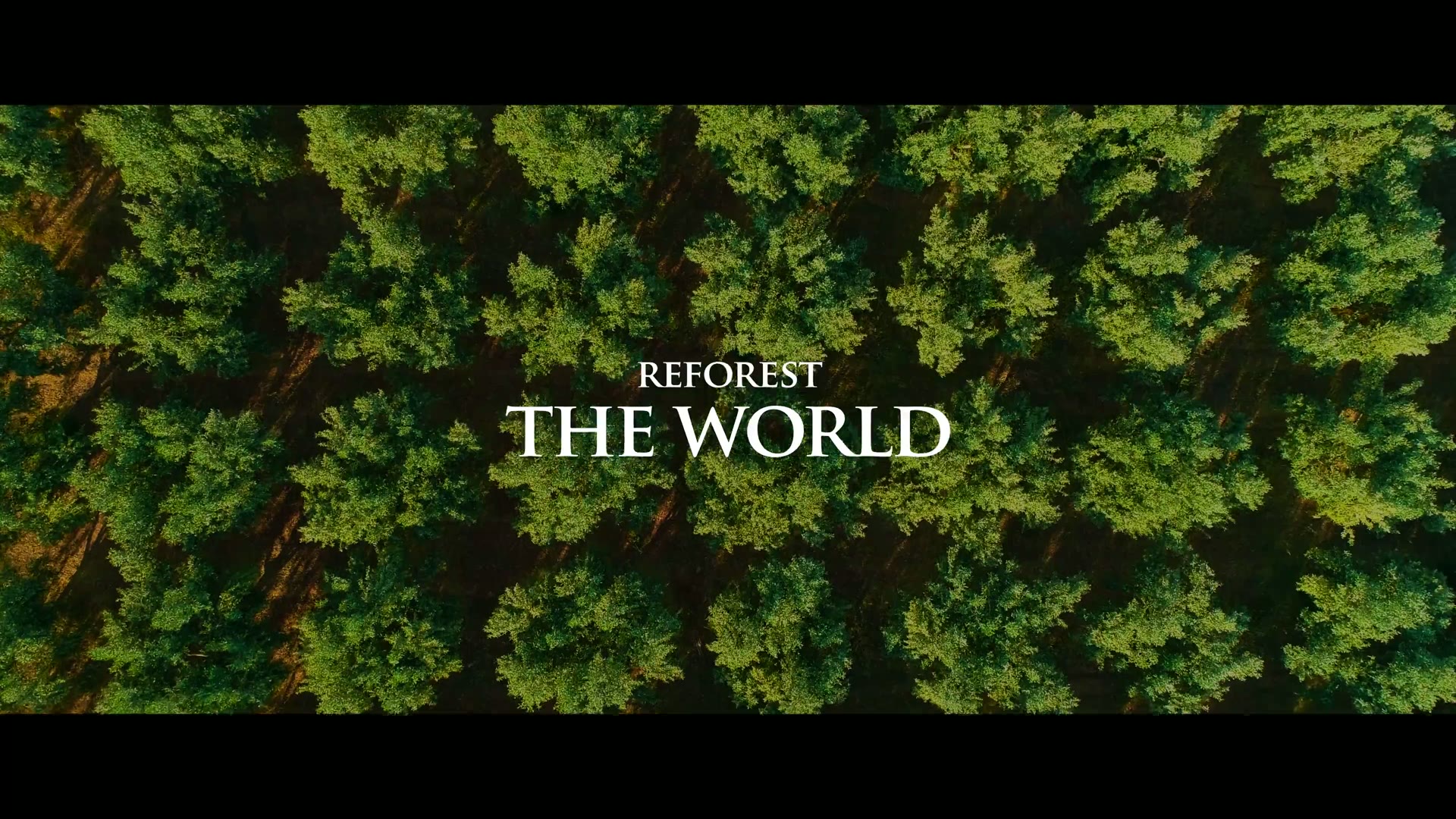
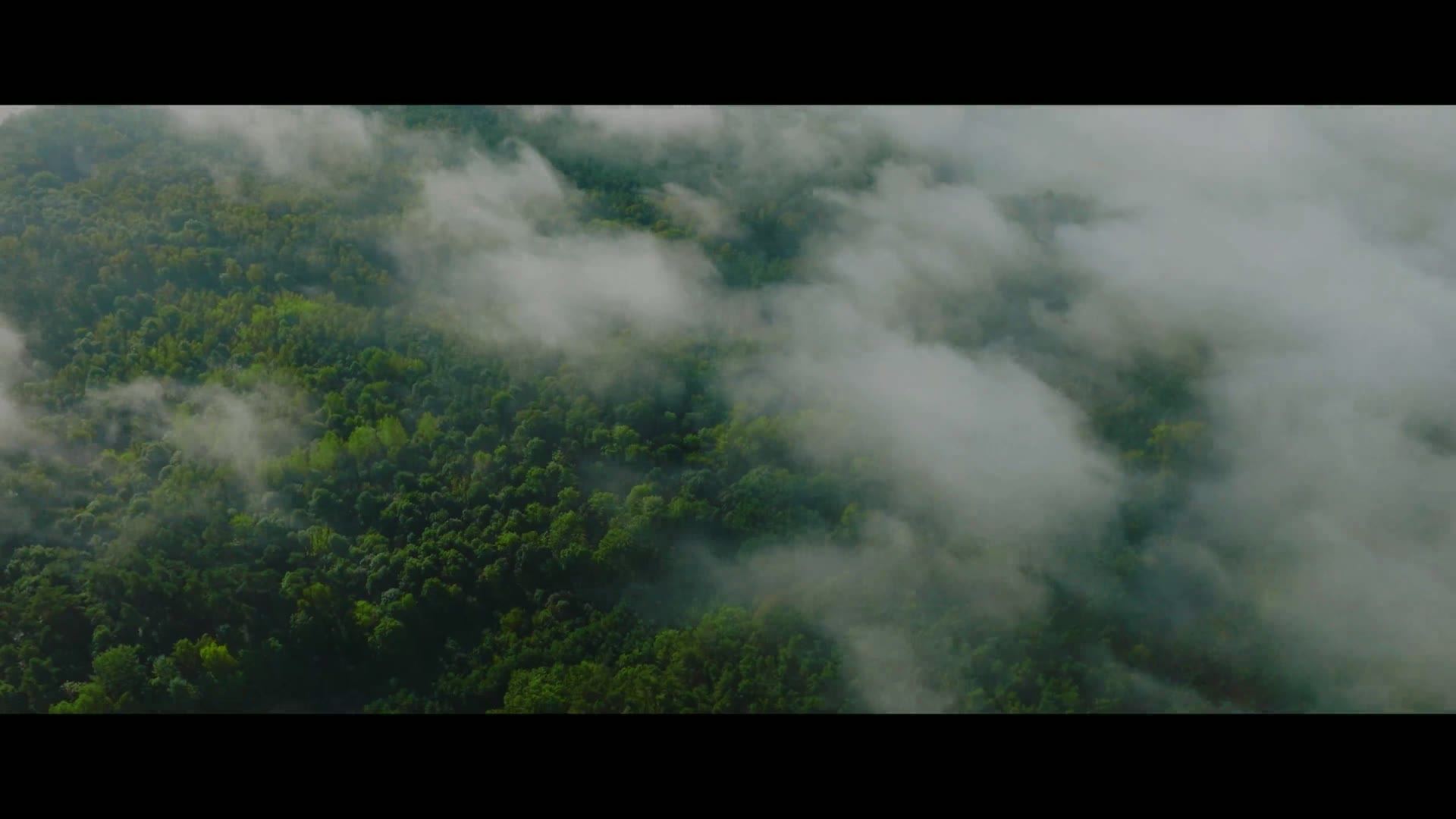
High-resolution stills and the poster are available on request.
Story angles
- A horror film where the threat is real. The film borrows the genre’s signals, an axe and a man walking into a misty forest, to talk about forest loss.
- The number on screen. “42 million trees are cut down every day.” The facts below show how that compares with a published estimate.
- From fear to repair. The final part turns to restoration, from tree nurseries and planting to aerial views of forest.
- In the classroom. Teachers can use free lesson plans and a watch-party kit built around the film.
Facts journalists ask for
Five figures that come up in interviews, each with its source. More, with years and definitions, on our deforestation statistics page.
- 10.9 million hectares a year: global deforestation in 2015–2025, down from 17.6 million hectares a year in 1990–2000.1
- 4.3 million hectares: tropical primary forest lost in 2025, more than 11 football fields a minute. This is tree cover loss data, which includes fire, so do not compare it with FAO’s deforestation figure.2
- Almost 90 percent: share of global deforestation driven by agricultural expansion, 2000–2018.3
- Over 15 billion trees a year: the estimated number cut down worldwide, or more than 41 million a day, close to the film’s 42 million.4 Not every cut tree means deforestation, which requires the land to change use.5
- 80, 75 and 68 percent: the shares of amphibian, bird and mammal species for which forests provide habitat.6
Before you quote a number
- Deforestation is not tree cover loss. FAO’s deforestation counts forest converted to another land use.5 Satellite tree cover loss counts any lost canopy, including fire and harvests that regrow.2 Keep them in separate comparisons.
- Name the period. FAO’s latest assessment reports averages for 2015–2025;1 the satellite tree cover loss series runs from 2001 to 2025.7
- Global Forest Watch has a new name. Since September 2026 it is called Global Nature Watch.8
- Jargon. Terms such as REDD+, EUDR and primary forest are explained in our deforestation glossary.
Press contact
Press enquiries: message us on WhatsApp. Please include your outlet and deadline.
Sources
- FAO (2025). Global deforestation slows, but forests remain under pressure, FAO report shows. Accessed 11 October 2026.
- Goldman, E., Sims, M., Carter, S. and Potapov, P. (2026). Tropical Rainforest Loss Slowed in 2025, but Fire is a Growing Threat to Forests Worldwide. World Resources Institute, Global Forest Review. Accessed 11 October 2026.
- FAO (2021). COP26: Agricultural expansion drives almost 90 percent of global deforestation. Accessed 11 October 2026.
- Crowther, T. W. et al. (2015). Mapping tree density at a global scale. Nature 525. Accessed 11 October 2026.
- FAO (n.d.). Terms and definitions, Global Forest Resources Assessment 2020. Accessed 11 October 2026.
- FAO and UNEP (2020). The State of the World’s Forests 2020: Forests, biodiversity and people. Accessed 11 October 2026.
- Sims, M., Goldman, L., Potapov, P. and Carter, S. (2026). Global Forest Watch’s 2025 Tree Cover Loss Data Explained. Global Nature Watch. Accessed 11 October 2026.
- World Resources Institute (2026). Global Forest Watch Becomes Global Nature Watch, Expanding to Cover More Land Ecosystems. Press release, 21 September 2026. Accessed 11 October 2026.